
What is HIV?
HIV (Human Immunodeficiency Virus) is a virus that can
weaken your immune system. Without treatment, it can lead
to AIDS (Acquired Immunodeficiency Syndrome).
The good news? With today’s treatments,
people with HIV can live long, healthy lives.
Understanding HIV Over Time
Symptoms of HIV
HIV has three stages, each with its own symptoms—but early signs often show up within 2 to 4 weeks of exposure.Many people experience flu-like symptoms, such as:


Fever Your body’s temperature rises as it tries to fight the virus.

Fatigue You may feel unusually tired or run down.

Chills You might get sudden cold shivers or feel shaky.
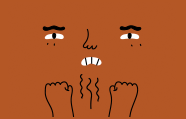
Sore throat Your throat can feel irritated or painful.
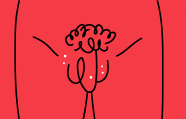
Swollen lymph nodes The glands in your neck, armpits, or groin may feel larger or tender.

Rash A flat, red rash can appear on your chest, face, or body.

Mouth ulcers Small, painful sores may show up inside your mouth.

Muscle aches Your muscles can feel sore, achy, or weak.
Stages of HIV

Acute HIV infection
Acute Retroviral
Syndrome.

Chronic HIV infection
Asymptomatic.

AIDS
Acquired Immune Deficiency Syndrome.
STAGE 1
Acute HIV
This happens 2–4 weeks after infection. Many people experience flu-like symptoms as the virus multiplies quickly. It’s the body’s first response to HIV.
STAGE 2
Chronic HIV
(Asymptomatic Stage)
The virus is still active but reproduces at low levels. You may feel fine and not show any symptoms—but HIV is still present and can be passed on.
STAGE 3
AIDS
If left untreated, HIV weakens the immune system over time, leading to AIDS. This is the most severe stage, when the body becomes vulnerable to serious infections and illnesses.
HIV Prevention is for Everyone

Want to stay HIV-free? You’ve got options.
HIV prevention starts with a simple but
powerful step.
Using condoms every time you have sex is one of the most
effective ways to protect yourself and your partners, not just
from HIV, but from other STIs too.
Prevention isn’t just about one choice—it’s about combining
smart habits to stay safe, healthy, and in control.

PrEP is Power. Protection. Prevention.
Source: CDC PrEP guidance and effectiveness data.
U=U Undetectable = Untransmittable

You deserve sex that’s safe and satisfying.
When HIV treatment is working, it can lower the amount of virus in your blood so much that lab tests can’t detect it—this is called being undetectable. Here’s why it matters: if you stay undetectable by taking your meds as prescribed, you can’t pass HIV to your partners through sex. It’s called U=U—Undetectable = Untransmittable, and it’s a game-changer for both your health and the people you care about.
Source: CDC and U=U consensus statements on treatment as prevention.
Find Support in Delco
Help is closer than you think
Looking for PrEP? Need a vaccine or free STI testing? You’ll Find Care page to find providers who listen, respect your privacy, and support your health goals—without making it awkward.